
Sam Huszczo named Top Financial Professional in the USA
James Roger | InvestmentNews | February 25th, 2026
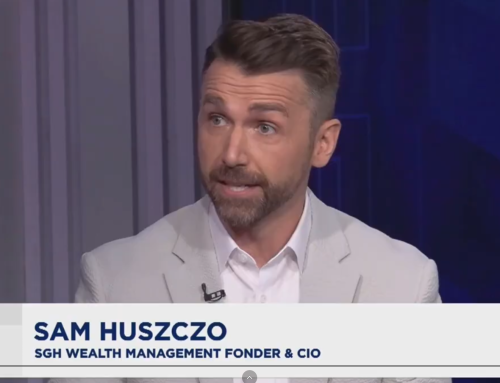
Join us in celebrating Sam G Huszczo, CFA, CFP on being recognized in this year’s IN Top Financial Professionals Award. Investment News Magazine’s researchers and Intelligence Unit team carried out extensive work to ensure that the winners are worthy of it.
Simply making money over the course of 2025 wasn’t the challenge. The S&P 500 rose 16 percent, capping the best three-year return since the dotcom boom, while the Nasdaq Composite did even better with an annual return of 20 percent. It was a similar story across the other indexes. Handling the volatility was the true test.
Against this backdrop, InvestmentNews’ Top Financial Professionals 2026 proved themselves to be proactive. While clients wanted to see their assets growing, they wanted it done with sophistication, understanding, and foresight.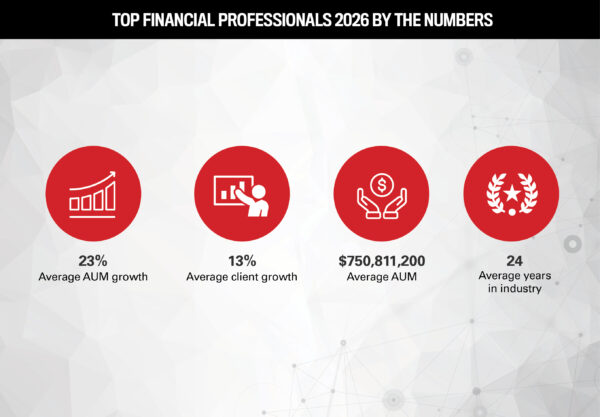
The 100 winning financial professionals were evaluated and ranked by weighted calculations of:
- 50 percent – total 2025 AUM
- 25 percent – AUM growth over the evaluation period
- 25 percent – client growth over the evaluation period
Growing AUM has been impacted by the biggest RIAs and scalable platforms capturing a disproportionate share of new assets, mainly through consolidation, alternatives, and technology-enabled operating models.
In addition, the economies of scale offered by tech frees professionals and advisors’ time for business development and operational targets, while these broader capabilities also attract more high-net-worth clients. And there’s been greater integration of active ETFs, with McKinsey estimating in a 2025 report that “around half of active ETF flows represent substitution from legacy vehicles – primarily mutual funds – while the remaining is driven by new demand for active strategies, sometimes at the expense of passive allocations” that “around half of active ETF flows represent substitution from legacy vehicles – primarily mutual funds – while the remaining is driven by new demand for active strategies, sometimes at the expense of passive allocations”.

Keep In Touch